Autism Spectrum Disorder (ASD)
Understanding Autism
Autism Spectrum Disorder (ASD) is a neurodevelopmental condition that affects how a child communicates, interacts with others, and responds to the world around them. It is called a “spectrum” because every child experiences autism differently, with varying strengths, challenges, and support needs.
Many children begin showing signs during the first two years of life. Early developmental assessment and timely intervention can greatly improve communication, learning, social skills, and overall quality of life.
Common Signs of Autism
Social & Communication
- Limited eye contact
- Delayed speech or language
- Limited response to their name
- Difficulty expressing emotions
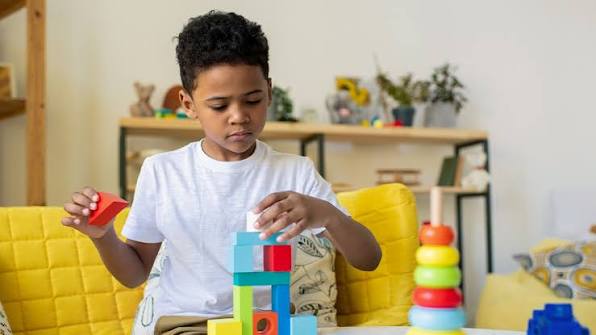
- Prefers to play alone
- Limited pretend or imaginative play
Repetitive Behaviours & Interests
- Hand flapping, rocking or toe walking
- Repeating words or phrases (Echolalia)
- Strong preference for routines
- Intense interest in specific objects
- Sensitivity to sounds, lights or textures
- Preference for certain foods or textures
When Should Parents Seek Medical Advice?
Consult a pediatrician if your child:
- Does not respond to their name by 9 months
- Has poor eye contact or limited social interaction
- Has delayed speech or loss of language skills
- Does not point, wave, or use simple gestures by 12 months
- Is not speaking meaningful single words by 16 months
- Is not using two-word phrases by 24 months
- Shows repetitive behaviours
- Has difficulty adapting to changes in routine
- Misses important developmental milestones
Diagnosis & Treatment
Early diagnosis is the key to helping children with Autism Spectrum Disorder achieve their full potential.
At Dr. Shetty’s Children’s Clinic, developmental concerns are evaluated through a detailed medical history, developmental assessment, and careful observation of communication, behaviour, and social interaction.
Depending on your child’s needs, treatment and support may include:
- Developmental assessment
- Parent counselling and guidance
- Speech therapy
- Occupational therapy
- Behavioural interventions
- Regular developmental follow-up
We work closely with families to create an individualized care plan that supports every child’s growth and development.
Early Support Makes a Difference
Children who receive early intervention often develop stronger communication, social interaction, learning abilities, and daily living skills.
Timely therapy and consistent family involvement can significantly improve long-term outcomes and help children become more independent and confident.
FAQ
Frequently Asked Questions
Autism Spectrum Disorder is a lifelong neurodevelopmental condition. While there is no cure, early intervention and appropriate therapies can greatly improve communication, learning, and independence.
Some signs may appear during the first year of life, and many children show noticeable symptoms between 18 and 24 months. Early evaluation is recommended whenever developmental concerns arise.
Not always. Some children develop speech later than expected, while others may have normal language development but face challenges with communication and social interaction.
Early intervention helps children develop essential communication, behavioural, and social skills during the most important stages of brain development.