
Diarrhea in Children
Understanding Diarrhea
Diarrhea is the passage of loose or watery stools more frequently than usual. It is commonly caused by viral infections but may also result from bacterial or parasitic infections, food intolerance, certain medications, or changes in diet.
While most episodes are mild and resolve within a few days, the greatest concern in infants and young children is dehydration, which can occur due to excessive fluid loss. Early recognition and proper hydration are essential for a safe recovery.
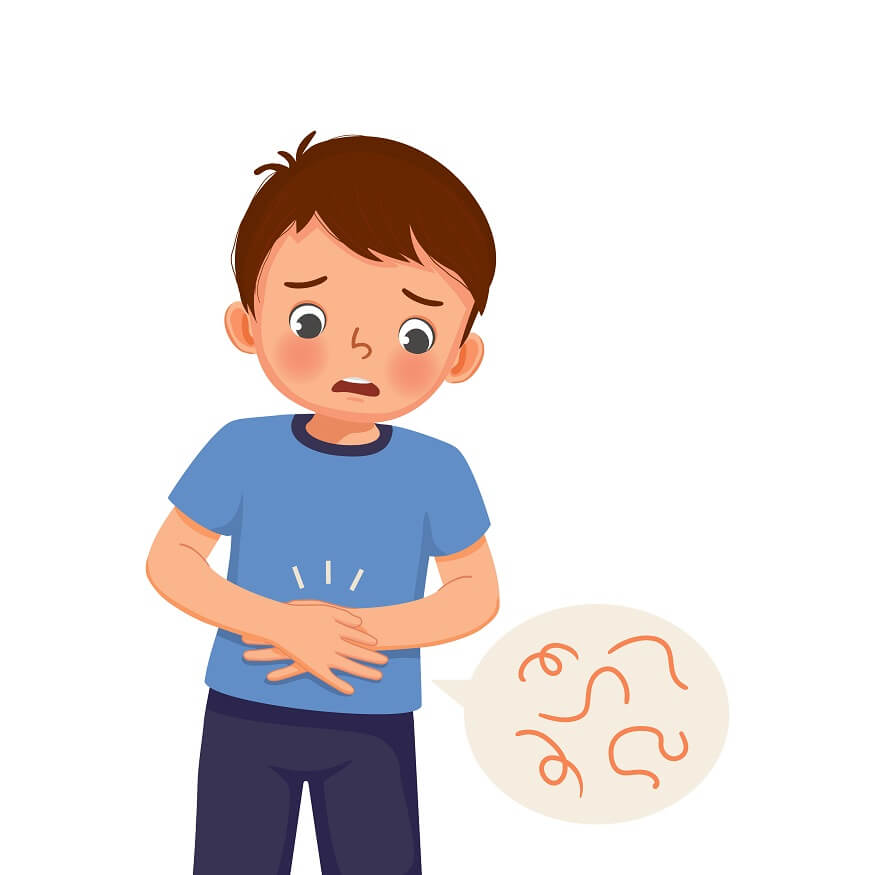
Common Signs & Symptoms
- Frequent loose or watery stools
- Abdominal cramps or pain
- Nausea or vomiting
- Fever
- Poor appetite
- Dry mouth
- Sunken eyes
- Reduced urine output
- Unusual tiredness or lethargy
Caring for Your Child at Home
Most children recover with proper hydration and supportive care.
- Encourage plenty of fluids or Oral Rehydration Solution (ORS)
- Continue breastfeeding or regular feeds for infants
- Offer a normal age-appropriate diet once your child is able to eat
- Maintain good hand hygiene with soap and water or an alcohol-based sanitizer
- Monitor your child for signs of dehydration and seek medical advice if symptoms worsen
When to Seek Medical Attention
Consult your pediatrician immediately if your child:
- Has diarrhea lasting more than 24 hours
- Shows signs of dehydration
- Has persistent vomiting or cannot keep fluids down
- Has a fever above 38°C (100.4°F) in infants or 38.5°C (101°F) in older children
- Passes blood or black-coloured stools
- Appears unusually sleepy, weak, or irritable
Early medical evaluation helps prevent dehydration and other complications.
Prevention & Treatment
At Dr. Shetty’s Children’s Clinic, we focus on identifying the cause of diarrhea, treating dehydration promptly, and providing personalized care based on your child’s condition.
To reduce the risk of diarrhea:
- Wash hands thoroughly before meals and after using the toilet or changing diapers
- Drink safe, clean water
- Eat freshly prepared food
- Ensure your child receives the Rotavirus vaccine, which protects against one of the leading causes of severe diarrhea in infants
- When travelling, use bottled or boiled water and avoid raw or undercooked foods
Worried About Your Child's Diarrhea?
Most cases improve with proper hydration and supportive care, but dehydration can become serious if left untreated. Our pediatric team is here to provide expert evaluation, treatment, and guidance to help your child recover safely.
FAQ
Frequently Asked Questions
Yes. Diarrhea can lead to significant fluid and electrolyte loss, especially in infants and young children. Prompt hydration is essential.
No. Continue breastfeeding or regular feeds for infants, and offer a normal age-appropriate diet as your child is able to eat.
Most childhood diarrhea is caused by viruses and does not require antibiotics. Antibiotics are used only when a bacterial infection is confirmed or strongly suspected.
Seek medical care if your child has persistent diarrhea, signs of dehydration, blood in the stool, persistent vomiting, high fever, or unusual sleepiness.