
Fever in Children
Understanding Fever
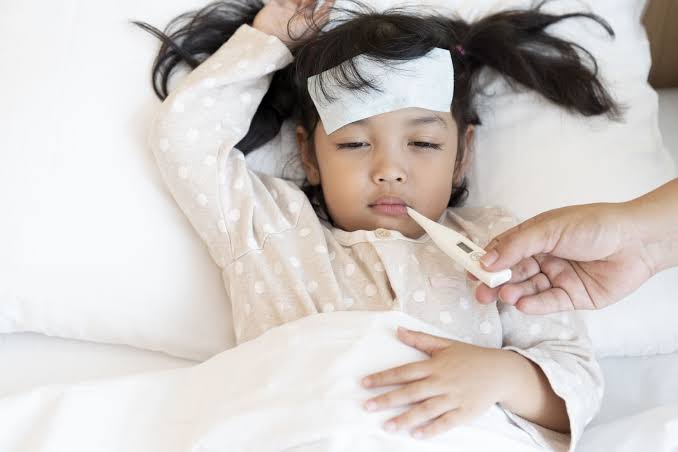
A fever is a temporary rise in body temperature, usually 38°C (100.4°F) or higher. It is the body’s natural response to an infection and helps the immune system fight viruses and bacteria.
Most fevers are mild, resolve within a few days, and are not harmful. A child with a fever can often be cared for at home if they remain active, alert, drink fluids well, and respond normally. The focus should be on keeping your child comfortable, well-hydrated, and monitoring for any warning signs.
Common Signs & Symptoms
- Body temperature of 38°C (100.4°F) or higher
- Warm or flushed skin
- Chills or shivering
- Sweating
- Tiredness or irritability
- Headache or body aches
- General discomfort or weakness
Home Care Tips
Most children with fever recover well with supportive care.
- Encourage plenty of fluids to prevent dehydration
- Allow your child to rest
- Dress your child in light, comfortable clothing
- Give fever medication only as advised by your pediatrician
- Monitor your child's temperature and overall behaviour
- Continue breastfeeding or regular feeding in infants
When to Seek Medical Advice
Consult your pediatrician if your child:
- Is younger than 3 months with a temperature of 38°C (100.4°F) or higher
- Is unusually sleepy, difficult to wake, confused, or has poor eye contact
- Has persistent vomiting, severe headache, sore throat, abdominal pain, or significant discomfort
- Has a fever lasting more than 3 days
- Develops a rash, breathing difficulty, or signs of dehydration
- Has a weakened immune system or an underlying medical condition
Seek Emergency Medical Care If
Seek immediate medical attention if your child:
- Has a febrile seizure lasting more than 5 minutes
- Has difficulty breathing or becomes unresponsive
- Develops a stiff neck or persistent confusion
- Has a fever after being left in a hot car
Prompt medical attention can help identify serious conditions and prevent complications.
Diagnosis & Treatment
At Dr. Shetty’s Children’s Clinic, we carefully assess your child’s symptoms to identify the underlying cause of the fever. A detailed history and physical examination help determine whether the fever is caused by a viral illness, bacterial infection, or another medical condition.
Treatment focuses on relieving discomfort, maintaining hydration, treating the underlying cause when necessary, and providing parents with clear guidance for home care and follow-up.
Worried About Your Child's Fever?
Most fevers improve with supportive care, but some require prompt medical evaluation. Our pediatric team is here to diagnose the cause, provide effective treatment, and guide you through your child’s recovery.
FAQ
Frequently Asked Questions
Most fevers are a normal response to infection and are not harmful. The child’s overall condition is often more important than the temperature itself.
Not necessarily. Fever medicines are mainly used to improve your child’s comfort and should be given only as advised by your pediatrician.
Seek medical advice if your child is very young, has difficulty breathing, persistent vomiting, unusual drowsiness, dehydration, or if the fever lasts more than three days.
Some children between 6 months and 5 years may experience febrile seizures. Although frightening, most are harmless. However, any first seizure or a seizure lasting more than 5 minutes requires immediate medical attention.